
Submersion
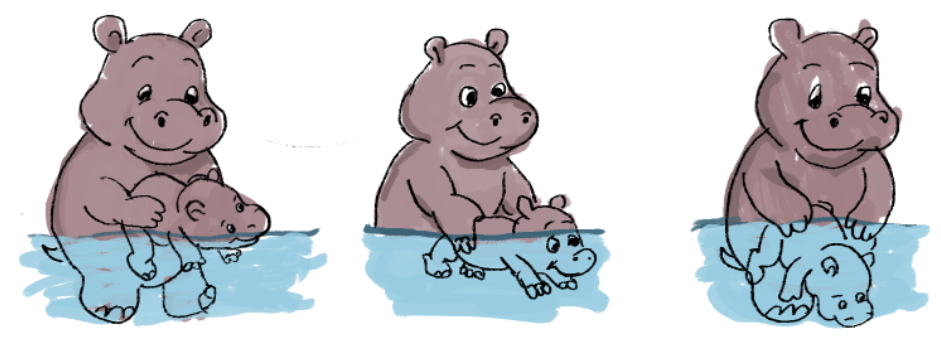
Teaching submersion
Why Teaching Submersion at Moovswim Builds Water Competence and Confidence
Teaching submersion is a core part of early aquatic development at Moovswim. While many parents may associate going underwater with apprehension, guided and progressive submersion teaches children how to breathe, relax, and respond safely below the surface. This skill forms an essential foundation for swimming competency and long-term confidence in water environments.
How Submersion Contributes to Water Competence
Understanding breath control
Submersion helps children learn how to close their mouth, control their breathing, and exhale underwater. This ability is a key survival and swimming requirement—every stroke and underwater recovery relies on breath management.Improved body awareness and buoyancy
Going beneath the water allows children to feel how their body behaves when submerged. They learn how buoyancy shifts, how movement changes, and how to orient themselves calmly below the surface.Foundation for swimming strokes
Many water skills require children to be comfortable with the head and face in the water. Submersion strengthens readiness for freestyle breathing, kicking with face down, and streamline gliding—all essential competencies for future stroke development.Safe response in unexpected immersion
If a child accidentally goes underwater, familiarity with submersion helps them stay calm rather than panic. Knowing what to do with their breath builds real-world safety ability, not just pool-based skill.
How Submersion Builds Water Confidence
Removes fear of water on the face – leading to relaxed, enjoyable swimming experiences.
Creates a sense of accomplishment – every successful submersion reinforces “I can do it.”
Builds trust between child, parent, and water – structured exposure reduces anxiety and increases willingness to try more.
Encourages play, exploration, and curiosity – confident swimmers interact with water rather than avoid it.
At Moovswim, submersion is never forced—it is introduced gradually, with cues, rhythm, and preparation. Children learn to dip their face, hold breath, blow bubbles, and submerge with comfort and control. Each step is paced according to readiness, ensuring positive experiences rather than fear-based reactions..
How Submersion Is Taught at Moovswim – A Safe and Gentle Approach
Submersion is a key developmental skill in early swimming, but at Moovswim it is introduced gradually, gently, and respectfully to ensure every child builds trust, comfort, and confidence in the water. The teaching method prioritises emotional readiness, controlled breath response, and secure caregiver support. When done correctly, submersion becomes a positive experience—one that strengthens water competence and gives children the confidence to explore, breathe, and move comfortably below the surface.
Step-by-Step Approach to Teaching Submersion at Moovswim
Secure Hold and Body Support
The foundation of safe submersion begins with proper holding technique.
Caregiver cradle the child at chest with both palms. This stable hold allows the child to feel supported, close, and reassured, reducing fear and promoting relaxation.Clear Verbal Cues and Predictability
Submersion is never sudden or unexpected. We ensure the child knows what is happening before it happens.
Caregiver verbalise the command “Name of child… Ready… Go…”
The verbal cue signals preparation, giving the child a moment to close their mouth, mentally prepare, and anticipate the movement.Gentle and Controlled Submersion
With trust established, the caregiver introduces the underwater experience gradually.
Caregiver gently lift the child slightly above water and lower the child under water.
This slow movement maintains calmness, prevents shock, and helps the child adjust to the sensation of being submerged.Return to Surface With Reassurance
After a brief dip, the child is brought back to the surface calmly, followed by praise, eye contact, and comforting tone. This reinforces that the experience is safe, positive, and repeatable.
Why This Method Works
Predictable cueing builds breath control and readiness
Gentle lowering reduces reflexive fear or surprise
Secure holding increases trust and emotional safety
Repetition teaches the child that submersion is safe, manageable, and enjoyable
Through this structured technique, children learn to accept water over the face, adapt to underwater sensation, and gradually develop stronger water survival skills. Confidence grows as submersion becomes familiar—not frightening. Each successful attempt builds competence, which in turn fuels courage and willingness to try more advanced skills.
At Moovswim, submersion is not just an underwater dip—it is a carefully guided experience designed to nurture confident, capable young swimmers.
