
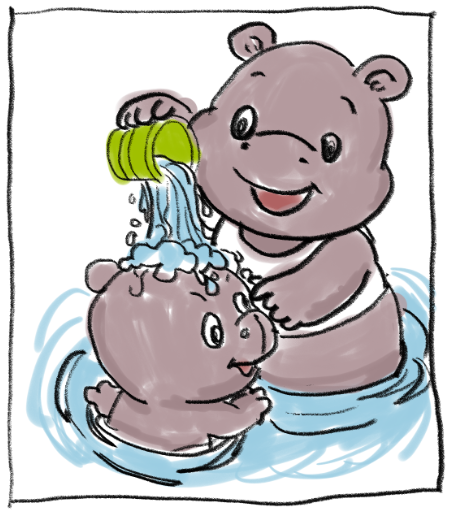
Learning to breathe
Breathing is a critical foundation of safe and confident swimming for children. Proper breath control helps young swimmers stay calm in the water, reduces panic in unexpected situations, and supports overall relaxation and buoyancy. By learning when to inhale, how to hold their breath briefly, and how to exhale steadily into the water, children develop rhythm, coordination, and efficiency in their movements. This not only enhances swimming technique but also plays a vital role in drowning prevention, as children who understand breath management are better prepared to respond safely if water splashes over their face or if they momentarily submerge. Through structured practice, children build confidence, resilience, and a positive relationship with the water.

Jumping into the pool
Jumping In: Building Confidence from the First Splash
At Moovswim, learning to jump into the pool is more than a fun moment—it’s a powerful step toward aquatic confidence. Each jump teaches children to trust the water, control their body, and overcome hesitation. With every splash, they discover that the water can support them and that they are capable of resurfacing with ease.
This skill builds both safety awareness and emotional assurance, helping young swimmers respond calmly in and around water. By starting with guided jumps and progressing toward independence, children grow in courage, coordination, and joy—laying the foundation for a lifelong love of swimming.
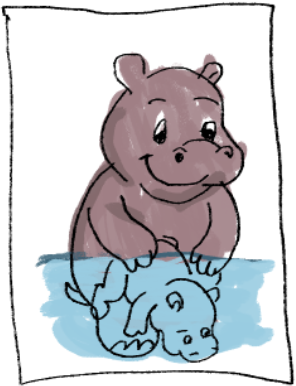
Submersion
Submersion is a gentle, safe introduction to going underwater that helps babies build water confidence, learn early safety skills, and prepare for swimming. It develops breath control, orientation, and motor coordination, while also boosting cognitive growth and problem-solving. Submersion strengthens the bond of trust between parent and baby, creating joyful shared experiences. Importantly, it lays the foundation for key swimming techniques such as breath management and streamlined movement. When introduced gradually and playfully, submersion turns water into a positive, natural environment for babies to explore.

Paddling
Foundation for Stroke Development
Paddling helps develop the basic motor coordination necessary for more advanced swim strokes. It teaches beginners how to use their arms and legs together effectively, setting the stage for proper freestyle, breaststroke, and backstroke techniques.
Builds Water Confidence
Gentle paddling allows swimmers to explore the water in a controlled and comfortable manner. As they learn how their movements affect their buoyancy and direction, their confidence grows, reducing fear and anxiety commonly associated with water.
Improves Body Awareness and Balance
Through paddling, swimmers learn how to maintain a horizontal position and distribute their weight in the water. This enhances spatial awareness and helps maintain body alignment—both critical for efficient swimming.
Enhances Muscular Development
The repetitive arm and leg movements involved in paddling help develop key muscle groups, including the shoulders, arms, core, and legs. This builds strength and endurance, especially in young learners.
Encourages Independence and Safety
Once a swimmer can paddle independently, they gain a sense of autonomy in the water. This increases their ability to move toward safety if needed and serves as a critical skill in aquatic survival.
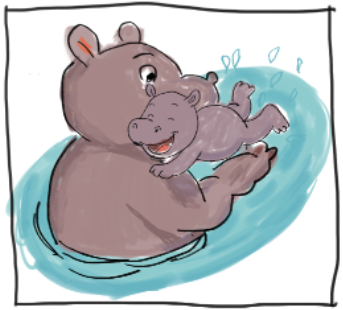
Kicking
Propulsion Primary function
Kicking generates forward movement, especially in strokes like freestyle and backstroke. Efficiency: A steady flutter kick helps maintain body alignment and streamline position in the water.
Buoyancy and Balance Helps maintain a horizontal body position
Proper kicking prevents the legs from sinking, keeping the swimmer afloat and stable. Enhances body awareness: Kicking engages core muscles and improves coordination between upper and lower body.
Muscle Development and Strengthening Builds lower body strength
Repetitive kicking tones and strengthens leg muscles (quadriceps, hamstrings, calves, and hip flexors). Improves endurance: Regular kicking exercises condition the legs and cardiovascular system.
Safety and Survival
Aids in directional control: Kicking can help a swimmer maneuver toward the edge, rescue aids, or safety zones.
Confidence Building
For beginners or children, successful kicking can be a confidence booster, as it provides tangible feedback through movement and splash, reinforcing a sense of control in the water.
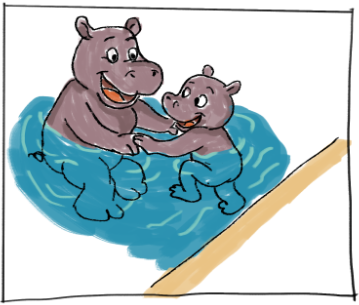
Turning around
Water Safety
The ability to orient oneself toward a stable surface is essential. Should a child ever accidentally enter deeper water, instinctively turning toward the nearest wall and grasping it provides an immediate means of support and prevents panic.
Water Confidence and Competence
Equally important are the benefits to a child’s self-esteem and aquatic competence. By learning to rotate independently and secure a hold on the wall, babies and toddlers develop body awareness, balance, and strength. This skill also reinforces the idea that the pool environment can be navigated with confidence rather than fear.
Exiting the pool
Enhances Safety and Emergency Readiness
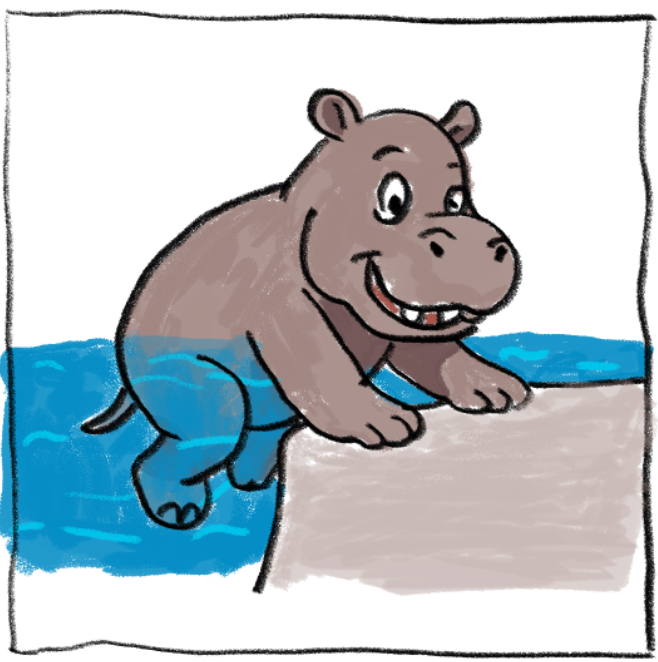
We teach the "elbow-elbow-tummy-knee" method to help little ones remember how to climb out even without a ladder.
Builds Physical Strength and Coordination
Repeating this motion helps swimmers, especially young children, build the strength and confidence they need to move safely in and out of the water.
Reinforces Water Safety Fundamentals
This fundamental step reinforces the complete cycle of water interaction: enter – swim – exit.
Encourages Emotional Confidence and Boundaries
At Moovswim, we guide swimmers to recognise their own limits and exit the water without hesitation
Promotes Proper Pool Etiquette
Understanding when and how to exit the pool promotes discipline and situational awareness.
Prevents Overexposure to Water
It’s an important reminder that swimming is not just fun, but also a physical activity that benefits from pacing.
Floating on back
Reasons and Benefits of Learning the Backfloat
Water Safety
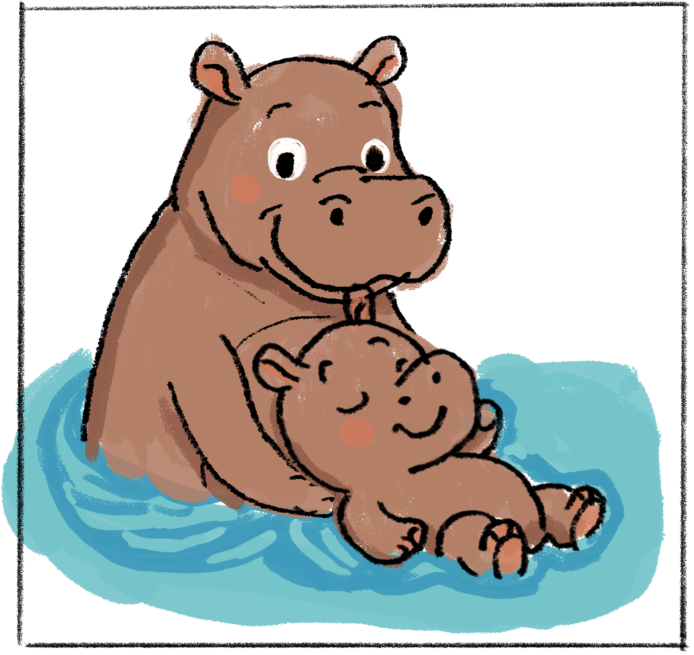
The backfloat is a critical survival skill. If a child falls into water, floating on their back conserves energy and helps them breathe while waiting for help.
Confidence Building
Mastering the backfloat helps reduce fear of the water. It teaches trust—in their own body, in breathing, and in the water itself.
Rest and Recovery
The position allows swimmers to rest without treading water, making it easier to continue swimming when tired.
Body Awareness
It teaches kids to understand buoyancy and balance, forming a foundation for other swimming techniques.
Entering the pool
Importance of Safe Entry and Gradual Progression
Prevents accidents
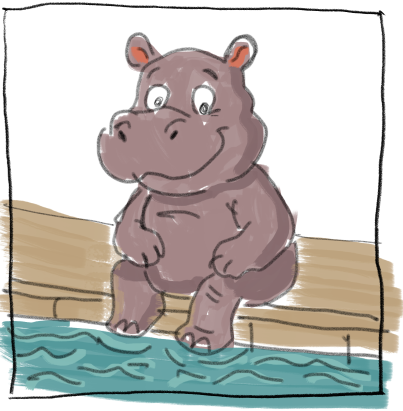
Entering slowly reduces the risk of slipping, hitting the bottom, or startling others in the pool.
Promotes awareness
It encourages swimmers to observe depth markings, water conditions, and other swimmers.
Builds water confidence
Gradual exposure helps swimmers feel in control and calm, essential for learning new techniques like diving.
Strengthens fundamentals
Mastery of basic entries lays the foundation for more complex skills in swimming and water sports.