
Floating on back
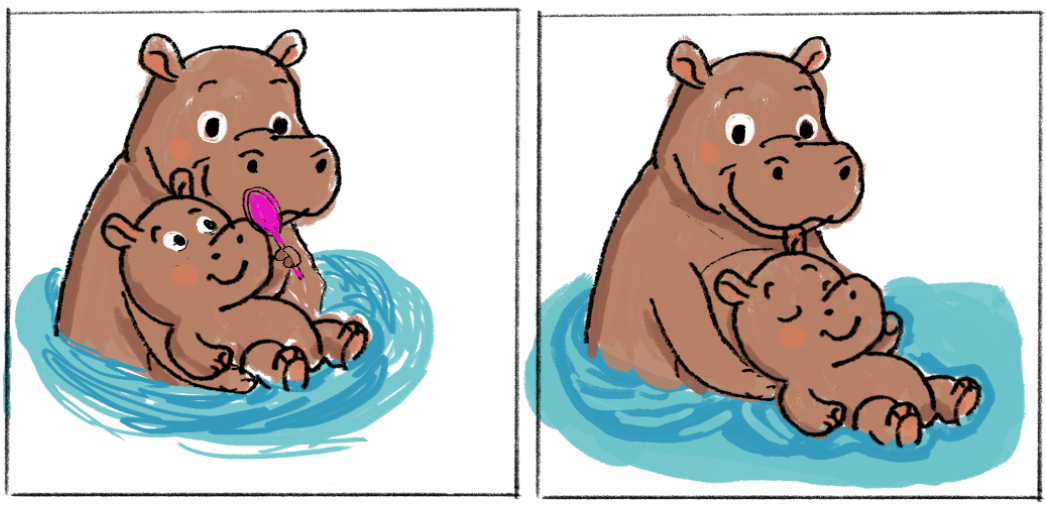
Why Floating on the Back Is One of the First Skills We Teach at Moovswim
At Moovswim, our philosophy is simple: every baby can swim — safely, confidently, and joyfully. One of the earliest skills we introduce is the back float, a gentle and soothing position where the child lies on their back, supported by the water and guided by a parent or instructor.
Some parents are surprised that we begin with this skill so early. Here’s why floating on the back is not just a swimming technique, but a cornerstone of aquatic safety and confidence for babies and young children.
1. It Is the Safest Resting Position
When a child is on their back, the airway naturally stays above the water, and breathing remains comfortable. Babies do not need to lift their heads or struggle to stay afloat. The back float becomes their automatic “safe place” in the water — a position they can eventually transition to if they ever feel tired, unbalanced, or startled.
Teaching this early builds an instinct that lasts.
2. Babies Feel Comfortable and Secure
The backfloat position supports the baby’s head, neck, and spine naturally. The chest is open, breathing is easier, and the child feels the gentle buoyancy of water holding them up.
Because babies can look up at the parent’s face, the roof, or the sky, the position feels calm and predictable. For many infants, this is the first moment in water where they truly relax — and relaxation is the foundation of all confident swimming.
3. It Builds True Water Confidence
Before babies can kick efficiently or move their arms purposefully, they need to understand one simple truth:
Water supports them.
The back float teaches this beautifully. When a baby feels their body being held by the water, their fear disappears. This confidence then transfers to later skills such as:
back kicking
rolling from front to back
turning back to the parent for safety
turning back to the wall
Backfloat confidence is, in many ways, the child’s first “independent” moment in the pool.
4. It Is the Foundation for Moovswim’s Safety Progression
Floating on the back is not an isolated skill. At Moovswim, it forms a link in a carefully designed progression:
Backfloat ➜ Back kick ➜ Roll-over breathing ➜ Swim-turn-float sequence
Each step uses the backfloat principles of balance, airway control, and calm breathing.
This progression is especially valuable because it encourages toddlers and young children to build self-rescue behaviours, including:
rolling onto their back when tired
stabilising themselves after submersion
maintaining calm and breathing normally
5. It Strengthens the Bond Between Parent and Child
During the early stages, parents support their baby gently under the head and shoulders. This close, reassuring contact builds trust, which is essential for future skills like glides, underwater movement, and 180° turns.
A confident, secure child learns faster — and with more joy.
6. It Sets the Stage for Lifelong Swimming Skills
A child who understands how to float on the back develops:
better body alignment
more relaxed breathing habits
stronger core stability
comfort in deeper water
All these qualities directly support future freestyle, backstroke, and even diving skills.
How We Teach the Back Float at Moovswim
The back float is introduced gently and progressively. At Moovswim, safety, comfort, and trust are always the priority. The parent or instructor provides full support, creating a calm environment where the child can relax and let the water hold them.
1. Parent Positioning and Support
Cradle the head with both hands
The parent stands in a stable position, chest-deep in water.
Both hands gently cradle the back of the child’s head, supporting the base of the skull.
Fingers remain open and relaxed, never squeezing or gripping.
The goal is to give the child full head security so their neck does not tense.
Keep both ears submerged
Adjust the child’s position so that both ears are fully in the water.
This ensures the head is at the correct angle for buoyancy.
When the ears are submerged, the child’s body aligns naturally and floats more easily.
2. Body Alignment
Head back, chin slightly lifted
The parent prompts the child to lift their gaze by asking them to “look up” or to “look at the sky or ceiling,” and may also use a mirror to guide the child to focus on the parent’s reflection.
A neutral, relaxed neck helps the body flatten and float smoothly.
Body long and relaxed
The child’s back stays supported by the water.
Knees may be bent or straight — both are acceptable for babies.
Avoid lifting the child too high; let the water carry their weight.
Hips close to the surface
Gently guide the hips upward if needed.
Babies naturally float well when the head, chest, and hips form a straight, relaxed line.
3. Parent’s Movement and Interaction
Steady, slow walking
Parents walk backward slowly, giving the child a sense of gentle motion.
Water passes around the body, helping the baby understand buoyancy.
Calm voice and eye contact
Smile and speak softly.
Maintain eye contact when the child looks up.
This reassures the child and builds strong trust.
Keep the face clear
Ensure water does not splash onto the baby’s face.
Stability and predictability are key to early confidence.
4. Comfort Cues to Watch For
A baby is comfortable when:
their body feels soft and relaxed
their breathing is steady
their eyes are calm or curious
their arms settle by their sides
their legs float naturally upward
If a baby tenses, lifts the head, or arches the back, slow down and return to stillness.
5. Progressions After Mastering the Position
Once the child is comfortable with the supported backfloat, Moovswim introduces:
Back kicking with parent support
Unassisted backfloat holds (short moments)
Rolling from front to back for self-rescue
Back-to-wall turns
Swim-turn-float sequence for water competence
Each progression builds on the feeling of safety and trust learned in this foundational skill.
In Moovswim, Safety Always Comes First
The back float is a gentle, essential skill that gives every child a strong foundation for safe and confident swimming. By teaching babies to trust the water — and trust themselves — we help them build a lifelong love for the pool.
