
Entering the pool
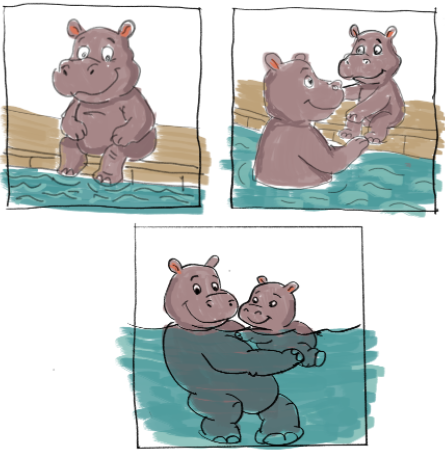
Sitting by the pool deck awaiting instructions from caregiver.
Why Safe Pool Entry Is Important in Moovswim
At Moovswim, safety is the foundation of every skill we teach. A child’s very first interaction with the water begins before they even start swimming — it begins with how they enter the pool. Safe entry is not just a rule; it is a core safety behaviour that protects children, builds confidence, and sets the tone for responsible swimming throughout their lives.
1. Prevents Slips, Falls, and Sudden Submersion
Pool edges can be slippery.
Children who rush, jump without control, or enter without awareness are at risk of:
unexpected slips
sudden underwater plunges
hitting the pool wall or steps
panicking when they submerge unexpectedly
A safe, controlled entry eliminates these risks.
2. Teaches Children to Respect the Water
Moovswim emphasises respect, not fear.
Safe entry teaches the child that water:
is fun, but must be entered mindfully
requires attention and awareness
follows certain rules to keep everyone safe
This forms the child’s lifelong relationship with water.
3. Helps Children Understand Water Depth
By entering correctly — sitting entry, slide-in entry, or holding the parent’s hands — the child learns to:
feel the depth with their feet
understand buoyancy gradually
acclimatise to temperature changes
stay oriented and balanced
Children who understand depth naturally become more confident swimmers.
4. Builds Early Self-Rescue Awareness
Safe entry habits reinforce key self-rescue instincts:
facing forward and staying alert
holding the wall or gutter
stabilising the body before moving away
not turning their back to open water
These behaviours become automatic as the child grows.
5. Sets Up a Calm, Positive Start to the Lesson
A careful, gentle entry:
reduces anxiety
prevents sudden shock from cold water
gives the parent time to reassure and connect with the child
prepares the child emotionally for the rest of the session
When the start of the lesson is calm, the rest of the learning becomes easier.
6. Reinforces Consistency and Routine
Moovswim lessons follow predictable routines that children recognise:
Wait at the pool edge.
Sit or turn sideways.
Hold the parent or edge.
Slide into the water slowly.
These repeated steps teach discipline, body control, and confidence.
7. Creates Safer Swimmers and Safer Families
Safe entry is not only for class time. Children and parents naturally use these techniques:
at public pools
during holidays
in hotel pools
at home pools
Because Moovswim teaches habits, not just skills, families carry these safety behaviours everywhere.
How to Enter the Pool in Moovswim
At Moovswim, pool entry is taught as a calm, structured routine to ensure safety, confidence, and correct body posture from the very start of each lesson. We teach different entry methods depending on the child’s age, developmental stage, and familiarity with water.
Below is the preschool-age (under 7 years old) method, followed by the general principles that guide every safe entry in Moovswim.
Safe Pool Entry for Preschool-Aged Children (Under 7 Years Old)
This method emphasises parent–child connection, controlled movement, and proper body posture.
Step 1 — Child Holds the Parent’s Thumbs
The parent extends both thumbs forward for the child to hold securely.
This establishes a safe grip and ensures the child feels supported.
Step 2 — Guide the Child’s Hands to the Parent’s Shoulders
While staying close, the parent gently moves the child’s hands from holding the thumbs to resting on the parent’s shoulders.
This creates a forward-facing, body-to-body connection and prepares for a smooth entry.
Step 3 — Sing the Entry Rhyme
The parent sings:
“Humpty Dumpty sat on a wall…
Humpty Dumpty had a great fall…”
The rhyme creates predictability and fun.
Children anticipate what comes next, which reduces anxiety and builds routine.
Step 4 — Squat Down in the Water
As the rhyme ends, the parent squats slowly into the water.
Soft encouragement is given: “Push daddy/mummy down.”
This teaches the child to lean forward confidently while maintaining their hold.
Step 5 — Parent Steps Slightly Backward to Bring the Child into the Water
The parent takes one small step backward.
This draws the child gently into the pool while keeping the child’s hands on the parent’s shoulders.
The parent ensures the child’s shoulders stay level with the water surface to promote:
o correct posture
o a straight back
o relaxed breathing
o proper alignment for future kicking skills
Step 6 — Encourage Kicking
The parent supports the child’s knees, as though holding two paintbrushes.
This stabilises the legs while allowing free kicking.
The parent encourages:
“Kick, kick, kick…”, or
sings:
“This is the way I kick my legs… kick my legs… kick my legs…”This encourages active kicking and correct lower-body movement.
The routine transitions naturally into body awareness and propulsion practice.
Why This Method is Used at Moovswim
This entry routine is specifically designed to help preschool children:
feel supported and connected to the parent
enter the pool calmly and predictably
maintain correct body alignment
develop early self-rescue awareness
begin kicking immediately with good posture
build confidence through song and rhythm
It transforms pool entry from a risky moment into a structured, positive experience that prepares the child for the rest of the lesson.
Why This Method is Used at Moovswim
This entry routine is specifically designed to help preschool children:
feel supported and connected to the parent
enter the pool calmly and predictably
maintain correct body alignment
develop early self-rescue awareness
begin kicking immediately with good posture
build confidence through song and rhythm
It transforms pool entry from a risky moment into a structured, positive experience that prepares the child for the rest of the lesson.
In Moovswim, Safety Always Starts at the Pool Edge
A careful entry is the child’s first safety checkpoint. It ensures protection, builds confidence, and sets the emotional tone for a successful swimming journey. When children learn to enter water safely, they learn to enjoy water responsibly — for life.
