
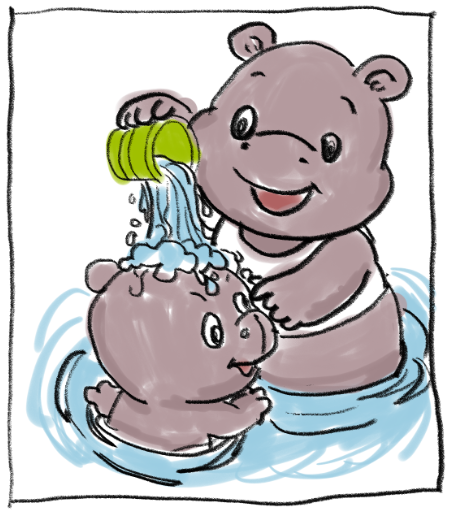
Learning to breathe
Breathing is a critical foundation of safe and confident swimming for children. Proper breath control helps young swimmers stay calm in the water, reduces panic in unexpected situations, and supports overall relaxation and buoyancy. By learning when to inhale, how to hold their breath briefly, and how to exhale steadily into the water, children develop rhythm, coordination, and efficiency in their movements. This not only enhances swimming technique but also plays a vital role in drowning prevention, as children who understand breath management are better prepared to respond safely if water splashes over their face or if they momentarily submerge. Through structured practice, children build confidence, resilience, and a positive relationship with the water.

Kicking
Propulsion Primary function
Kicking generates forward movement, especially in strokes like freestyle and backstroke. Efficiency: A steady flutter kick helps maintain body alignment and streamline position in the water.
Buoyancy and Balance Helps maintain a horizontal body position
Proper kicking prevents the legs from sinking, keeping the swimmer afloat and stable. Enhances body awareness: Kicking engages core muscles and improves coordination between upper and lower body.
Muscle Development and Strengthening Builds lower body strength
Repetitive kicking tones and strengthens leg muscles (quadriceps, hamstrings, calves, and hip flexors). Improves endurance: Regular kicking exercises condition the legs and cardiovascular system.
Safety and Survival
Aids in directional control: Kicking can help a swimmer maneuver toward the edge, rescue aids, or safety zones.
Confidence Building
For beginners or children, successful kicking can be a confidence booster, as it provides tangible feedback through movement and splash, reinforcing a sense of control in the water.